The Best Sun Protection Practices: Dr. Karen Nern’s Top Tips

Jessica Colon, DO | she/her/hers
PGY1- Transitional Year Resident
Beyond Sunscreen: A Comprehensive Approach to Sun Safety
When it comes to protecting your skin from the sun’s harmful rays, sunscreen is a must, but it is not the only defense you need. "Sunscreen is essential, but it’s just one piece of the puzzle," says Dr. Nern. To fully protect your skin, it is important to adopt a multi-layered approach to sun safety. Here are Dr. Nern’s top tips for staying safe in the sun:
1. Seek Shade During Peak Hours
The sun’s ultraviolet (UV) rays are strongest between 10 a.m. and 4 p.m., making this the most dangerous time for sun exposure. If you can, seek shade under trees, umbrellas, or other shelters during these hours. This simple action can significantly reduce your risk of sunburn and long-term skin damage. However, it is important to remember that shade alone is not enough. UV rays can still reflect off surfaces like water, sand, and pavement, so additional protection is necessary.
2. Apply Sunscreen Properly
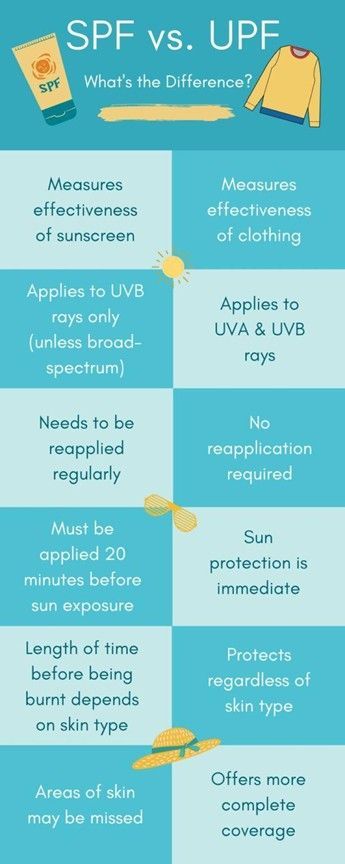
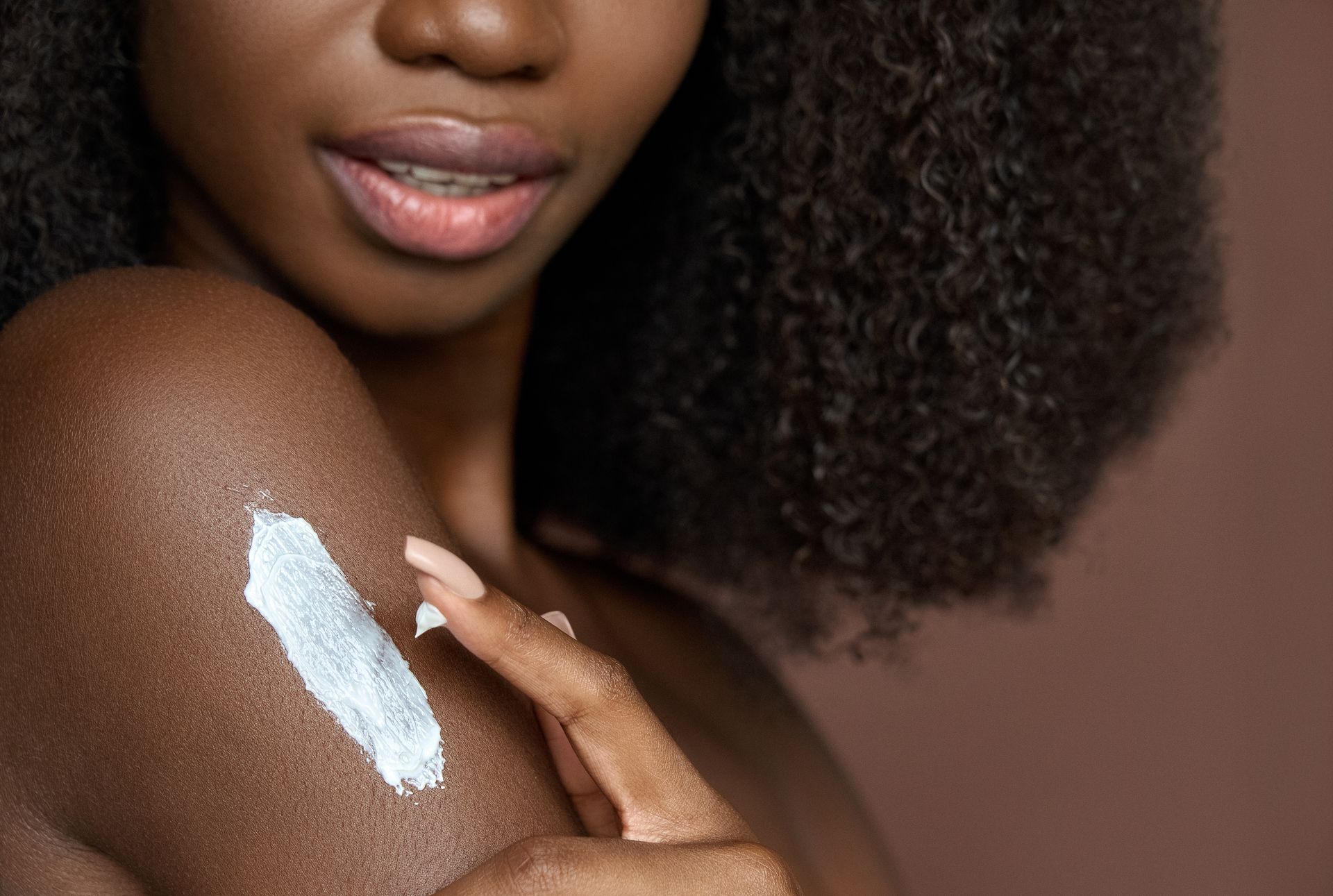
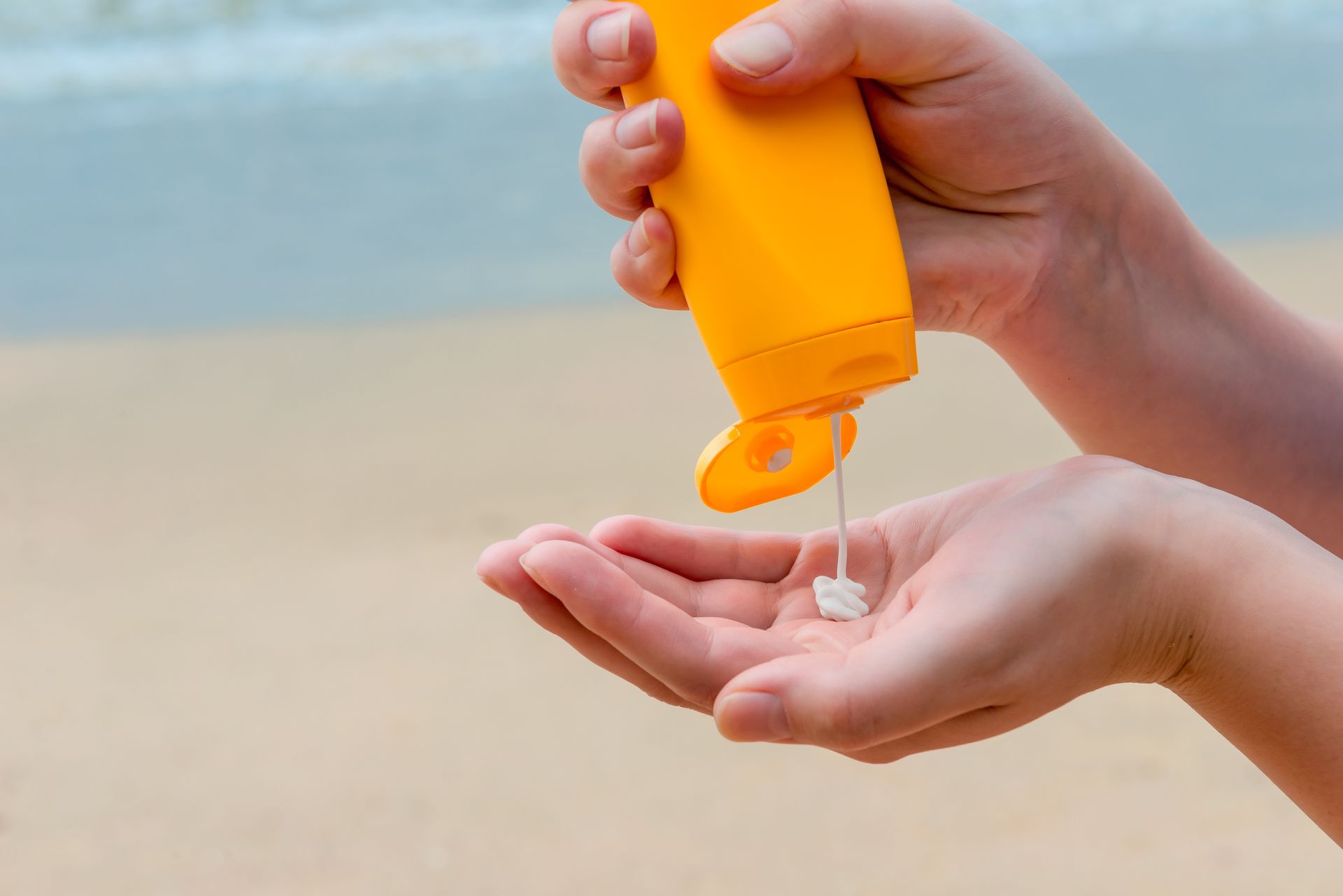
While sunscreen alone is not enough, it is an important part of sun protection. Choose a broad-spectrum sunscreen with an SPF of at least 30, and apply it generously to all exposed skin. Reapply every two hours, or more often if you are swimming or sweating. Be sure to cover commonly missed spots such as your ears, tops of your feet, and the back of your hands.
3. Wear Protective Clothing
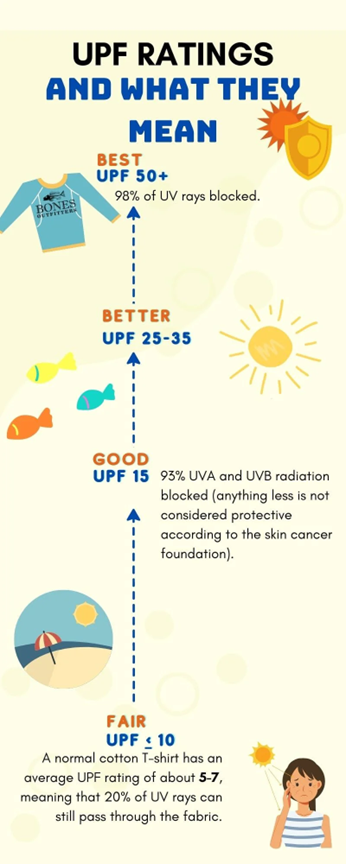
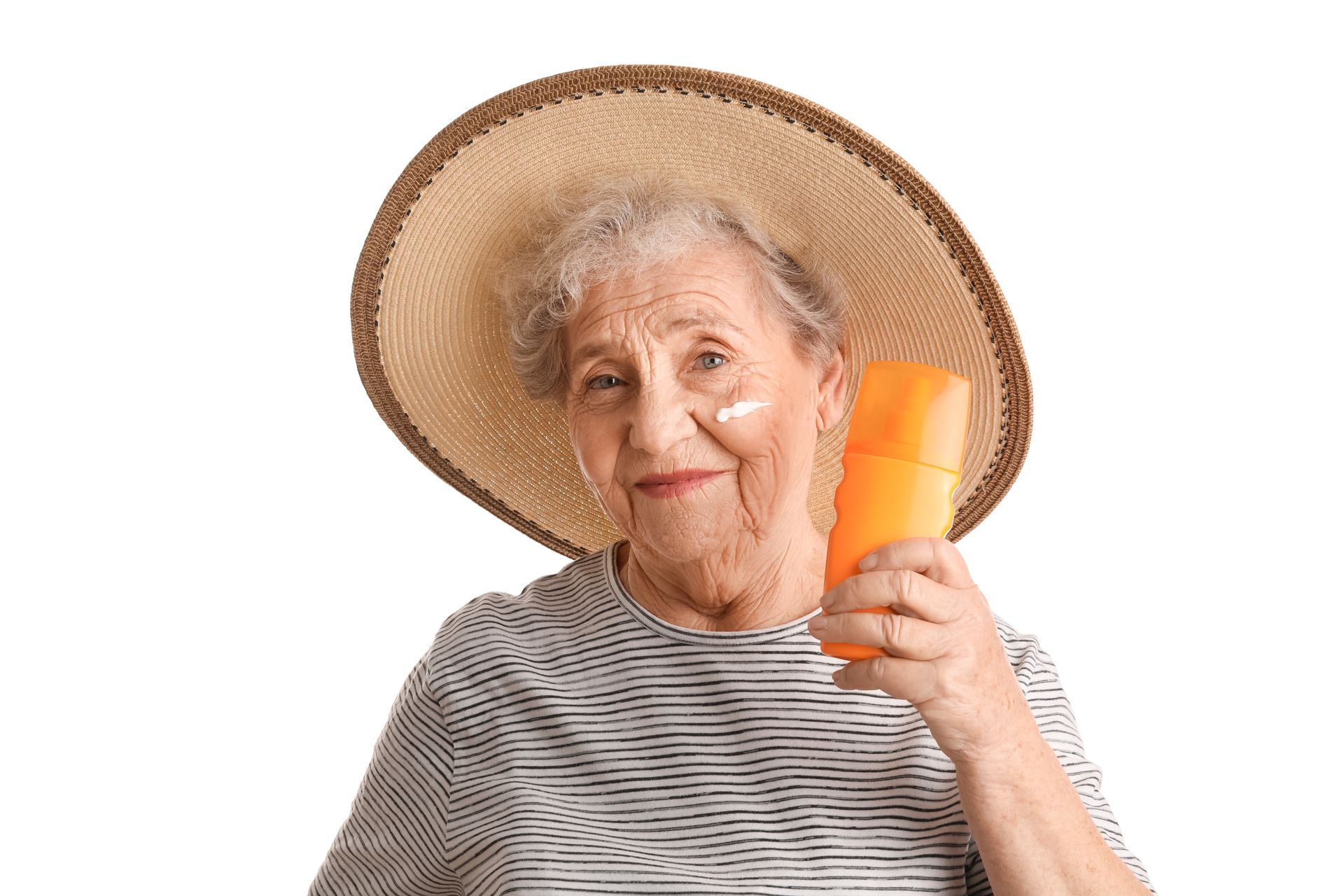
One of the most effective ways to block UV rays is by wearing proper clothing. Long-sleeved shirts, long pants, and wide-brimmed hats can be used to cover as much skin as possible. A broad-brimmed hat not only shields one's face but also helps protect your ears and the back of your neck, which are areas often overlooked when applying sunscreen. Light, tightly woven fabrics offer better protection than thin, loosely woven material. Some clothing has even been designed with built-in UV protection, which provides an extra layer of defense against harmful rays. Brands such as Collibar, UV Skinz, Solbari, and Cabana Life have sun protective clothing with UPF 50+ which blocks 98% of UVA/UVB rays.
4. Use UV-Blocking Sunglasses
Your eyes are also vulnerable to UV radiation, which can lead to serious conditions like cataracts and macular degeneration over time. Wearing UV-blocking sunglasses helps to protect your eyes from sun damage and reduces the risk of long-term vision problems. When choosing sunglasses, look for labels indicating they block 100% of UVA and UVB rays. Polarized sunglasses will help reduce glare and reflection off surfaces like water. Additionally, larger lenses and wraparound-style sunglasses can provide more coverage.
The Best Protection Comes from a Combination of Strategies
"By combining these strategies, you’re giving your skin the best protection possible", says Dr. Nern. Sun safety isn’t just about avoiding sunburn, it’s about reducing your risk of skin cancer, preventing premature aging, and eye damage. Making these habits part of your daily routine will help ensure that you can enjoy the sun safely for years to come.
Remember, sun protection is a year-round effort, even on cloudy days and during the winter months. By staying proactive, you can keep your skin healthy and radiant while minimizing the risks associated with UV exposure.