The Impact of Sun Damage on Aging Skin | Dr. Karen Nern on Staying Youthful

Karina Butani
Medical Student, Tulane University
Whether it's a sunny day outdoors or a weekend at the beach, spending time in the sun feels great — but too much of it can quietly age your skin faster than you'd think.
How the Sun Sneaks Up on Your Skin
There are three types of UV radiation: UVA, UVB, and UVC. All three types contribute to skin damage, but UVA is most often associated with aging and pigmentation, or uneven skin tone. Basically, the sun can mess with almost everything your skin does.
● Over time, sun damage can cause irritation, itchiness, or dry skin, which may weaken your skin’s natural ability to protect the rest of your body.
● Your body also contains sweat glands and your skin helps regulate body temperature through sweat! However, sun aging may damage sweat function, and many elderly people may be more sensitive to hot temperatures.
● Your skin normally heals wounds quickly through the regeneration of cells, but photoaging from the sun may slow this process or even reduce the strength of newly healed skin.
● Melanin is the natural pigment in your skin — it gives your skin and hair their color. Sun damage can reduce your skin’s production of melanocytes, or cells that produce melanin, and cause uneven pigmentation or skin tone.
● Your skin also has nerves that allow you to feel sensations, such as touch or pain. When the skin receives increased amounts of sunlight, there are reduced nerve endings, which may lead to reduced sensory perception.
● The dermis of the skin (below the epidermis, or the top layer of the skin) is composed of collagen and elastin, which allows it to be flexible and resilient. UV rays from the sun can break down the collagen and elastin in your skin, which causes wrinkles, decreased skin strength, and sagging.
The Fix? Protect Your Skin Like a Pro:
The good news is that the consequences of photoaging mentioned above can be prevented. Let’s talk about how you can keep your skin looking great for years to come.
● Wear protective clothing (long sleeve shirts, dark colors, jackets, sunglasses, hats, etc.)
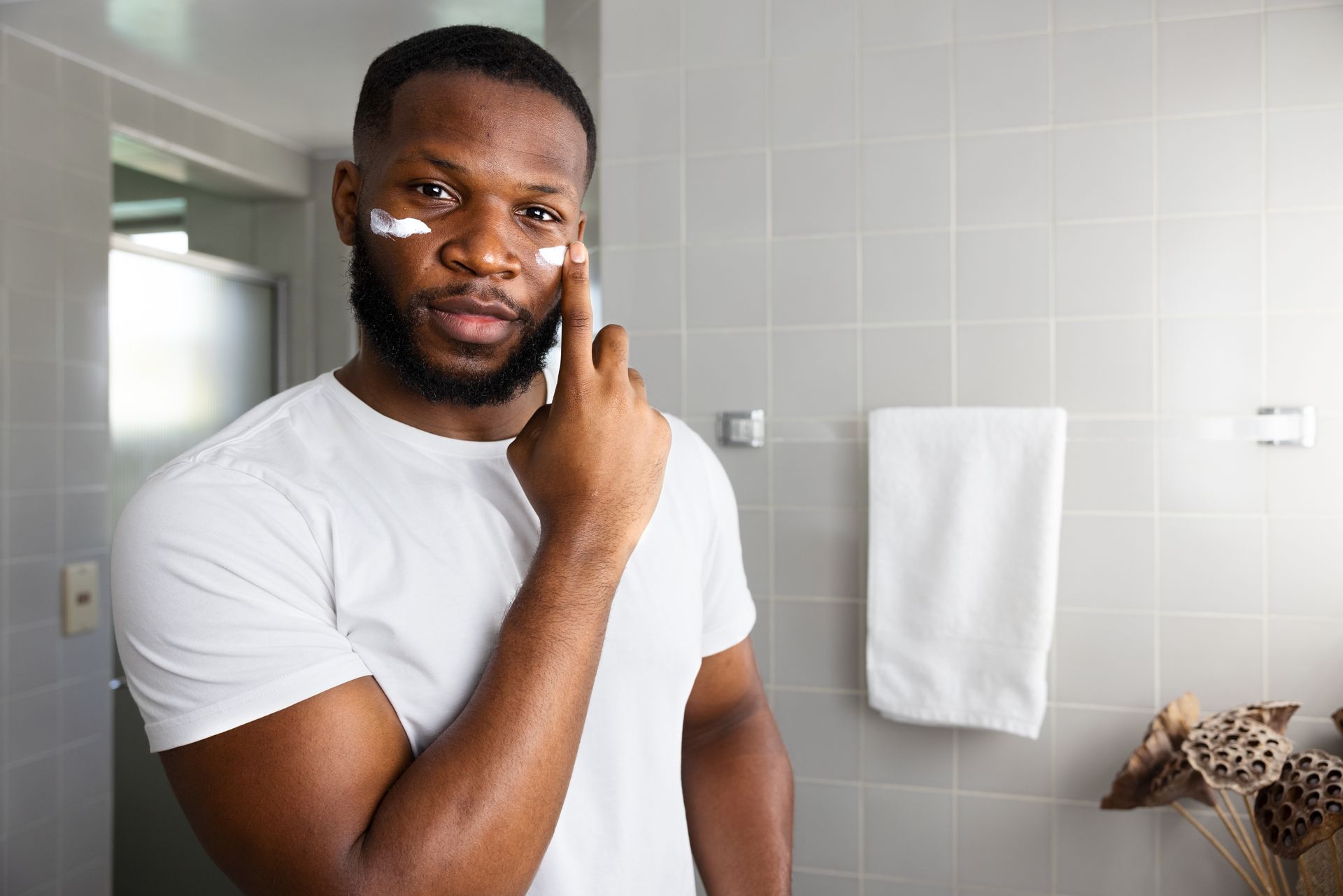
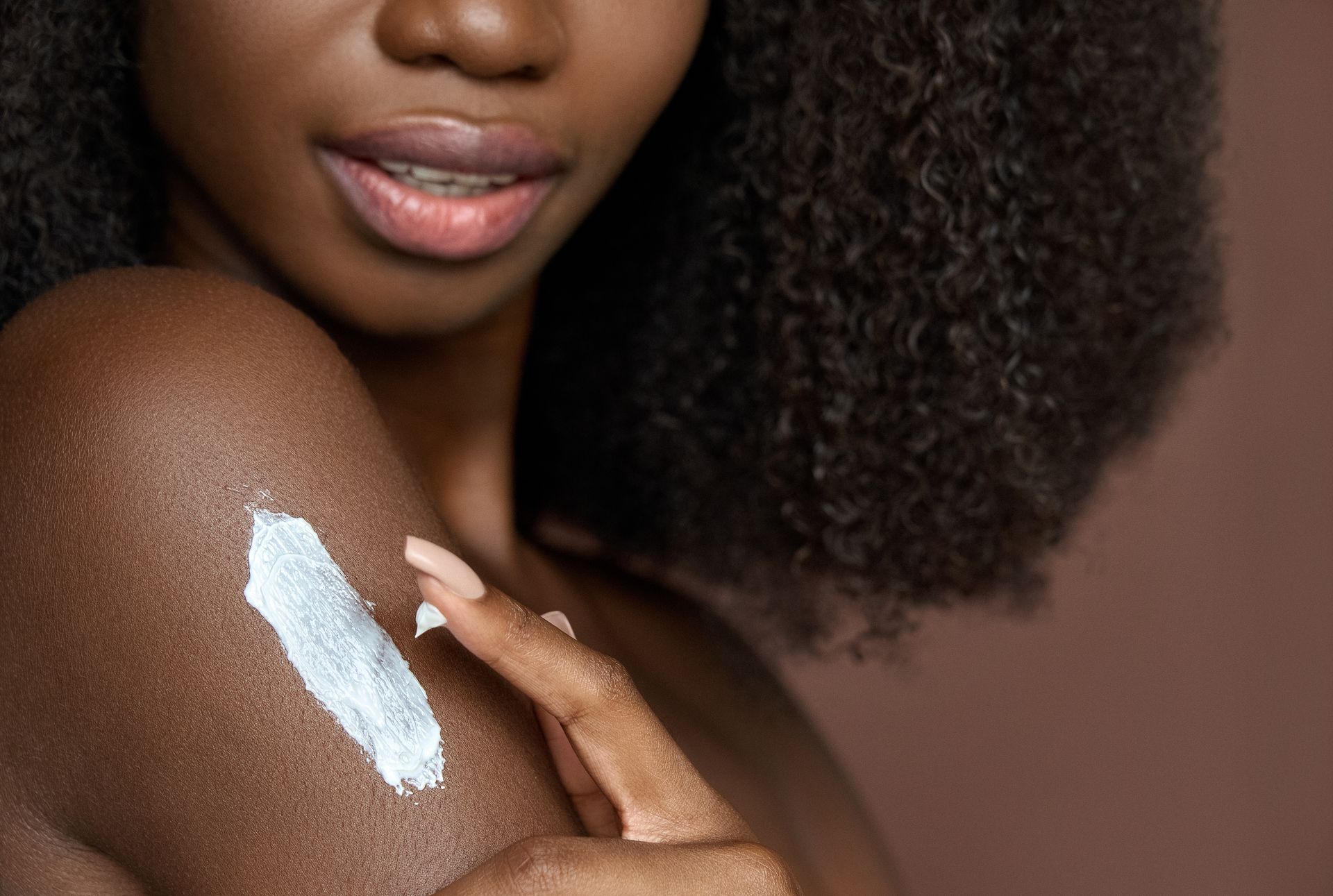
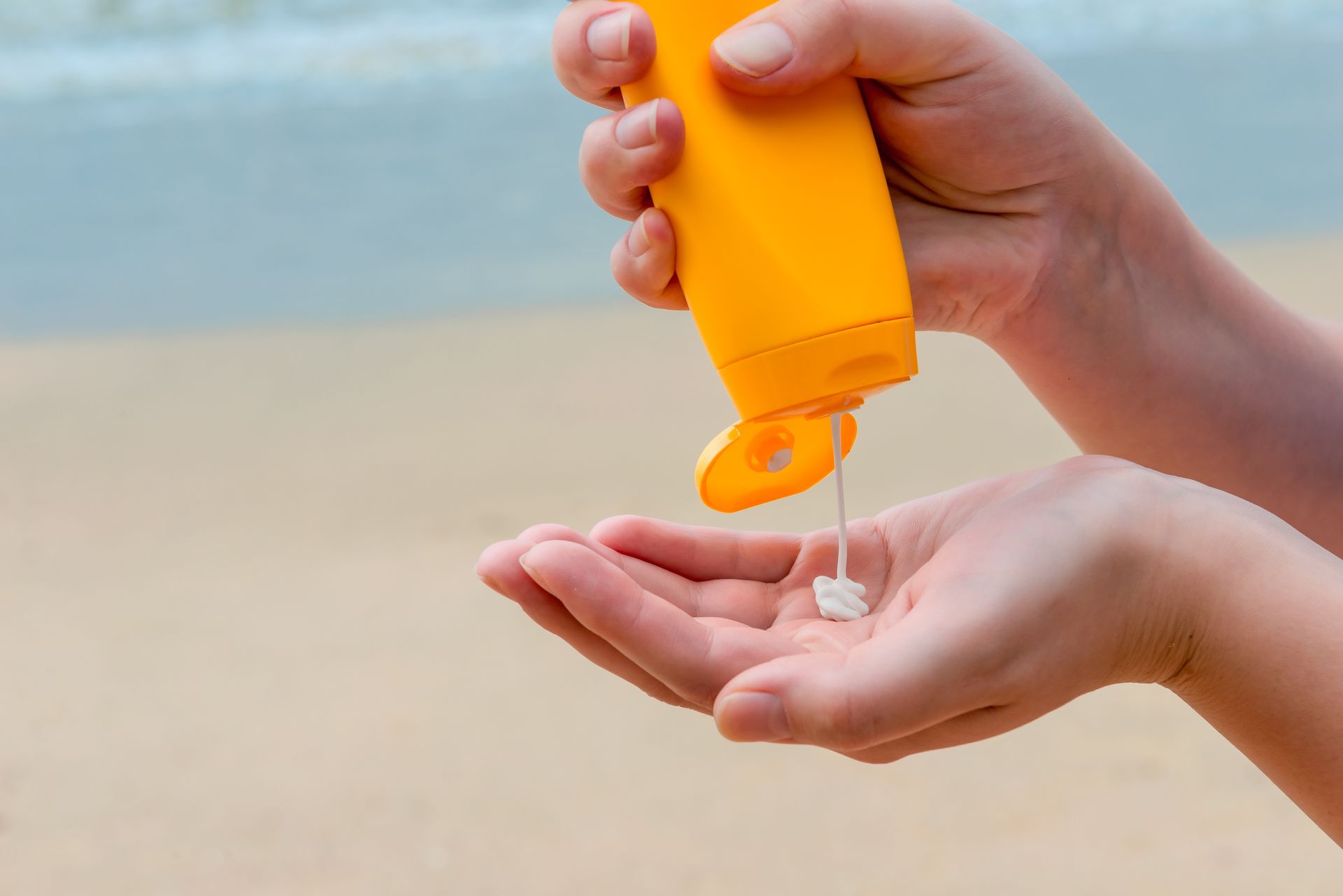
● Always use broad spectrum sunscreen with an SPF (sun protection factor) of at least 30 — Daily sunscreen use is the best anti-aging product you can invest in. Sunscreen provides a barrier to the skin so that light may be reflected and scattered. Both broad spectrum chemical and physical sunscreens reduce UV light exposure when applied correctly.
● Check your skin daily for any changes or new spots. Lightening creams may be applied for areas of uneven skin tone.
● Avoid long sun exposure if possible and the use of tanning beds (seriously, skip them!)
● Use topical vitamins like C and E, which can increase collagen synthesis and provide nutrients to the epidermis.
● You can also use ferulic acid, which is found in the cell walls of seeds, leaves, and roots of fruits, vegetables, cereals, and grains, to protect against skin aging.
● Retinol (both prescription and non-prescription options) can be applied daily to improve inflammation, fine lines and wrinkles, and hyperpigmentation.
Taking care of your skin now doesn’t just help you look good later—it keeps your whole body strong, healthy, and protected. So grab your sunscreen, throw on a hat, and start those good skin habits today. Your future self will thank you!
References
- “Natural and Sun-Induced Aging of Human Skin” https://pmc.ncbi.nlm.nih.gov/articles/PMC4292080/
- “Sun exposure behavior and protection: recommendations for travelers” https://pubmed.ncbi.nlm.nih.gov/23464719/#:~:text=Conclusions%3A%20Recommended%20photoprotection%20strategies%20for,sunscreen%20for%20their%20skin%20type.
- “Sunscreens and Photoprotection” https://www.ncbi.nlm.nih.gov/books/NBK537164/
- “Ferulic Acid: A Comprehensive Review’ https://pmc.ncbi.nlm.nih.gov/articles/PMC11438535/
- “Human Skin Aging and the Anti-Aging Properties of Retinol” https://pubmed.ncbi.nlm.nih.gov/38002296/
- “Sun Protection and Sunscreen Facts” https://www.health.com/condition/skin-cancer/sun-protection-questions