Darker Skin and Sun Protection: What You Should Know

Rachna Vipparla | she/her/hers
Recent Graduate
Washington University St. Louis
Pre-Medical Student
Darker Skin and Sun Protection: What You Should Know
Have you ever been at the beach and heard someone say, "We don't need sunscreen; we have darker skin"? I know I have. Today, I want to talk about the dangers of skipping sunscreen and how sun damage affects people of every skin tone.
There is a common misconception that people with more melanin, the pigment that gives skin its darker color, are completely protected from the sun's harmful rays. While it's true that having more melanin offers some natural protection, it does not make anyone immune to the UV damage the sun propagates.
This misconception is widespread, but researchers like Dr. Karen Nern are helping reshape the conversation. By evaluating participants across a broad range of skin types, their work reinforces an important truth: skin cancer can affect people of every complexion.
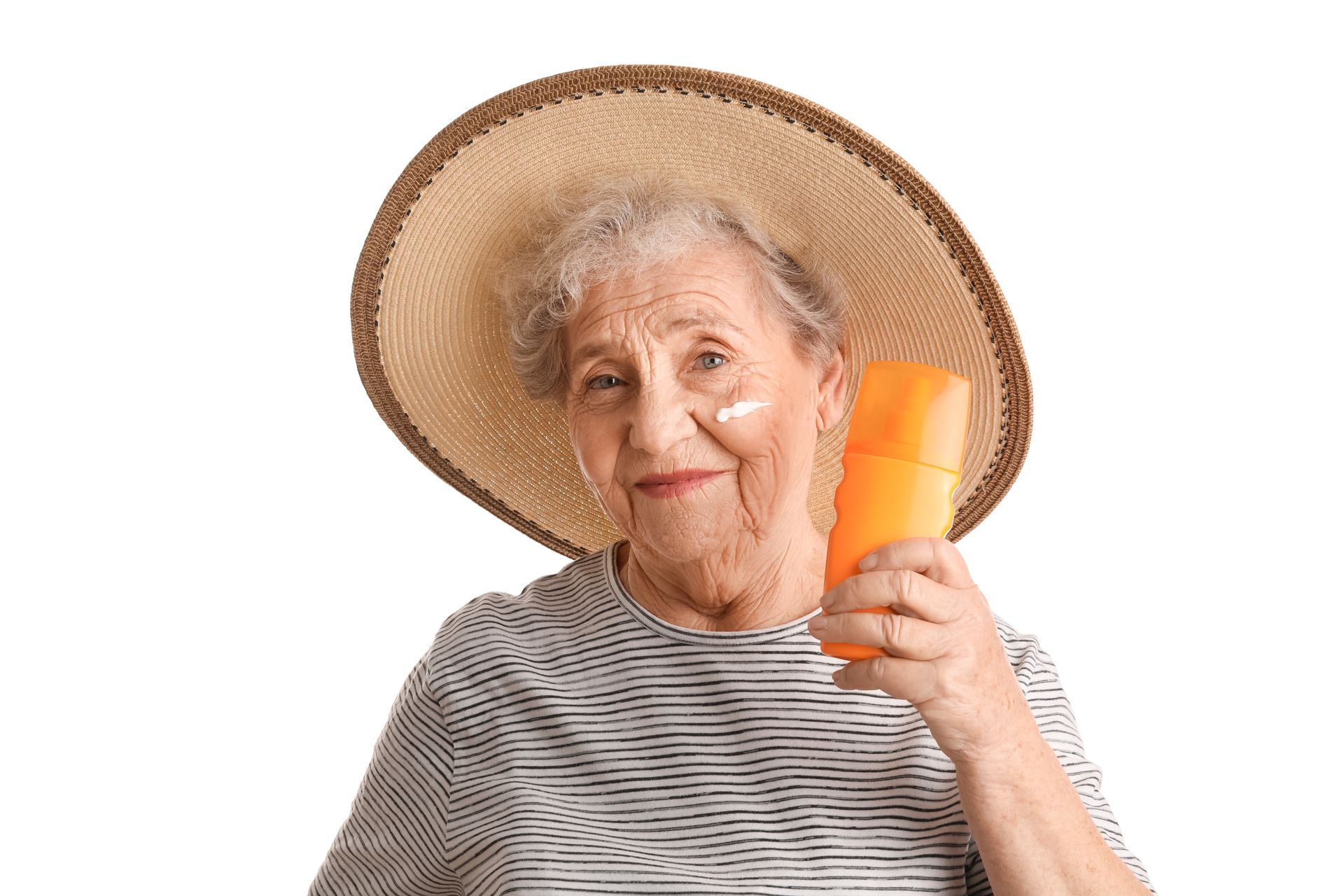
Regardless of skin tone, sunscreen is for everyone.
What does sunscreen actually do for your skin?
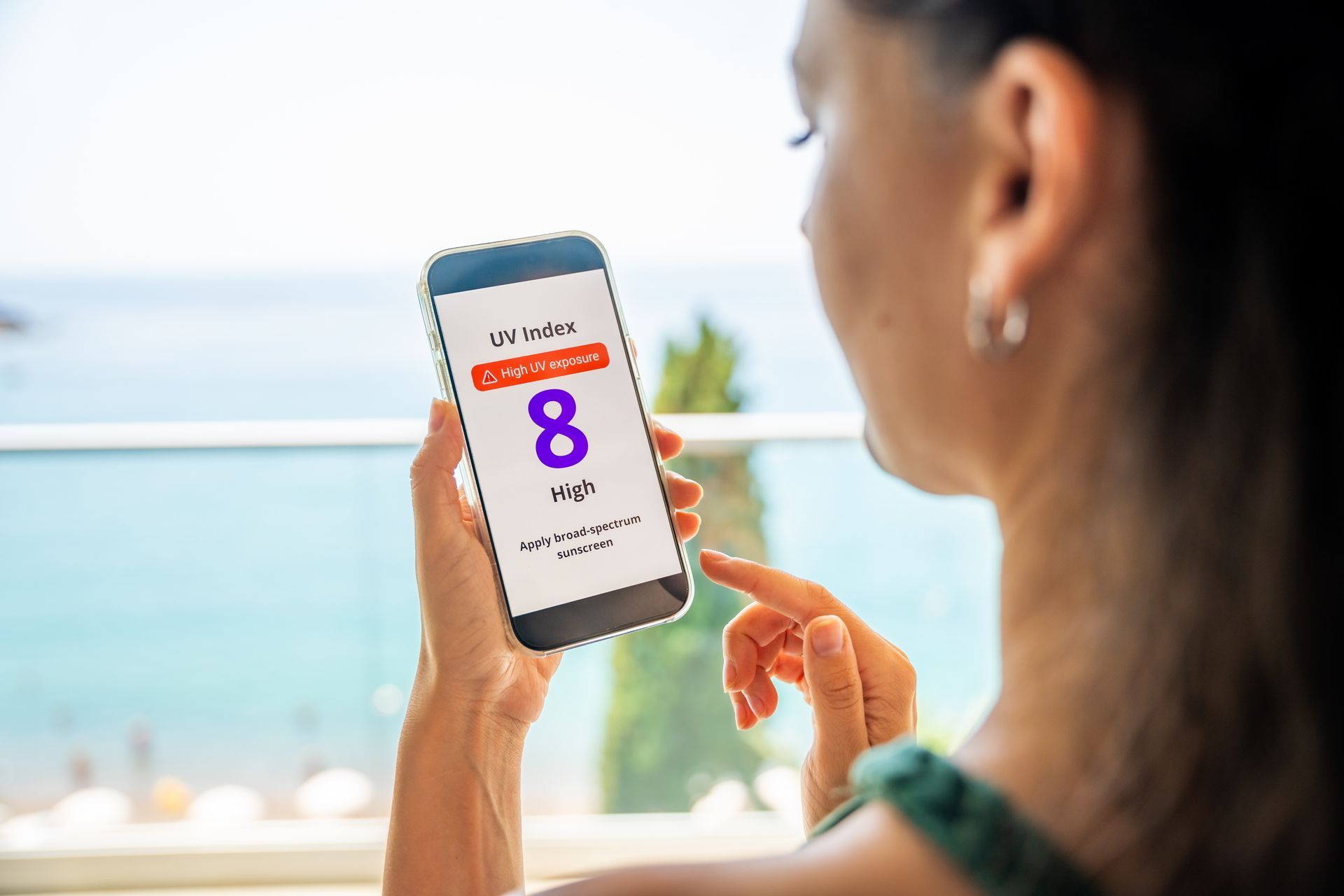
The sun emits UV rays that can harm the skin through sunburns, premature aging, a weakened immune system, and in the most serious cases, cancerous lesions. But this is where sunscreen comes in. When applied to the skin, sunscreen acts as a shield, absorbing those harmful UV rays before they can reach your skin cells and cause that damage. lt acts as a barrier between you and the sun, and applying it significantly lowers the risks of all those harmful effects.

So, where does the myth that people who have melanin don't need sunscreen come from?
Melanin isn't just the pigment that gives skin its color. Every time you step out into the sun, your body produces more melanin as a defense mechanism, absorbing UV rays and redirecting them away from the genetic material stored in your skin cells. This matters because when UV rays do reach and damage that genetic material, that is when cancerous lesions can begin to form.
While it may seem like melanin is enough to protect us, more melanin doesn't automatically mean more protection. According to a 2008 study by Brenner and Hearing, melanin only offers a natural SPF (sun protection factor) of about 1.4 to 4. However, dermatologists typically recommend a minimum of SPF 30. This protective gap needs to be filled, and that's where sunscreen comes in. This myth that sunscreen isn't necessary, commonly passed down in communities of color, isn't
just untrue. It is incredibly dangerous.
In fact, a 2016 study found that the 5-year survival rate for melanoma (a type of skin cancer) in non-white populations is only 70%, compared to 92% in white populations. This survival gap is largely blamed on late detection, which is directly linked to the belief that darker skin is naturally immune to sun damage. Regardless of skin tone, sunscreen is for everyone. While melanin is something to celebrate, it was never meant to be our only means for protection against skin cancers.
Next time someone says you don't need sunscreen because of your complexion, remember the science, the survival rates, and the real consequences of propagating that myth. Keep that sunscreen handy!
References
- Brenner M, Hearing VJ. The protective role of melanin against UV damage in human skin.
Photochemistry and Photobiology. 2008,84(3)c539-549. https://pmc.ncbi.nlm.nih.gov/articles/PMC2671032/ - D'Orazio J, Jarrett S, Amaro-Ortiz A, Scott T. UV radiation and the skin. International Journal of Molecular Sciences. 2013,14(6):12222-12248.
https://pmc.ncbi.nlm.nih.gov/articles/PMc5454668/
- Gabros S, Patel P, Zito PM. Sunscreens and Photo protection. In: Statpearls [Internet]. Treasure
Island (FL): StatPearls Publishing, 2025. https://www.ncbi.nlm.nih.gov/books/NBK5371641/ - Melanin: What Is It, Types & Benefits. Cleveland Clinic. Updated March 29, 2022. Accessed
March 11, 2026. https://my.clevelandclinic.org/health/body/22615-melanin - Terzian T, Box N, Nicklawsky A, Nern K, Torchia EC. Awareness of skin cancer screening
coverage in U.S. healthcare plans: Is there a need to better educate the public? Prev Med Rep. 2024,46:102862. do1c 10.1016/jpmedr.2024.102862 - Zamudio Diaz DF, Busch L, Kröger M, et al. Significance of melanin distribution in the epidermis
for the protective effect against UV light. Scientific Reports. 2024,14:3488.doi:10.1038/s41598-024-53941 -0