The Role of UV Index in Sun Protection- Understanding UV Rays with Dr. Karen Nern

Margaret "Meg" Mercante,
MD Candidate, Class of 2027
University of Virginia
School of Medicine
Scientifically reviewed by: Karen Nern, MD
The UV index plays a vital role in understanding and practicing effective sun protection. "The UV index measures the strength of UV radiation at a specific time and place," explains Dr. Nern. A higher index means a greater risk of skin damage." By offering a clear and accessible way to gauge the risk of UV exposure, the UV index empowers individuals to take proactive steps to protect their skin and overall health.
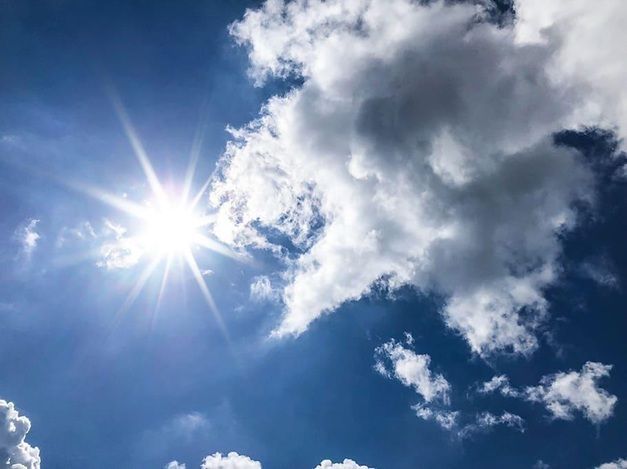
UV radiation, though invisible to the naked eye, has significant effects on the skin. Prolonged exposure to UV rays can lead to sunburn, premature aging, and an increased risk of skin cancer, including melanoma. It can also harm the eyes, causing cataracts and other vision issues, and suppress the immune system. The UV index helps mitigate these risks by providing real-time information about UV radiation levels, allowing individuals to plan their outdoor activities and sun protection measures accordingly.
The UV index ranges from 0 to 11+, with higher values indicating greater UV radiation levels and a higher risk of harm from sun exposure. The scale is divided into categories to make it user-friendly:
- 0-2 (Low): Minimal risk. Standard sun protection, such as wearing sunglasses, is typically sufficient.
- 3-5 (Moderate): Moderate risk. Seek shade during midday hours, and wear protective clothing, sunglasses, and sunscreen with SPF 30 or higher.
- 6-7 (High): High risk. Minimize sun exposure during peak hours (10 a.m. to 4 p.m.), and apply broad-spectrum sunscreen liberally. Reapply every two hours or after swimming or sweating.
- 8-10 (Very High): Very high risk. Take all recommended precautions, including staying indoors during midday hours, if possible.
- 11+ (Extreme): Extreme risk. Avoid sun exposure altogether and take maximum protective measures, including wearing full-coverage clothing and using umbrellas or shelters.
Knowing the UV index helps tailor sun protection strategies to the specific conditions of the day. "If the UV index is 6 or higher, take extra precautions, including wearing sunscreen, a hat, and sunglasses," Dr. Nern advises. Similarly, when the UV index is in the "Extreme" category, it’s crucial to avoid outdoor activities during peak hours or ensure you are fully covered and shielded.
The UV index is especially important for individuals with higher vulnerability to UV damage, such as those with fair skin, a history of skin cancer, or photosensitivity disorders. Children, too, are particularly susceptible to UV-related harm, as their skin is more delicate and easily damaged by the sun.

Nature's Symphony

Nature's Symphony
Modern technology makes it easier than ever to monitor the UV index. To find the UV index in your area, check weather apps, The Sun Bus or other websites, or the EPA’s SunWise tool. Wearable devices are also available to track UV exposure in real time. Incorporating this data into daily routines can make a significant difference in your skin health.
The UV index is an invaluable tool for promoting sun safety. By understanding and applying UV index information, individuals can make informed decisions about outdoor activities and sun protection, ultimately reducing their risk of sunburn, premature aging, and skin cancer.
1. World Health Organization. Global Solar UV Index: A Practical Guide. WHO website.https://www.who.int/publications-detail/global-solar-uv-index-practical-guide.
2. American Academy of Dermatology. Sunscreen FAQs. AAD website. https://www.aad.org/public/everyday-care/sun-protection/shade-clothing-sunscreen/sunscreen-faqs.
3. The Skin Cancer Foundation. Prevention Guidelines. Skin Cancer Foundation website. https://www.skincancer.org/skin-cancer-prevention.
4. Centers for Disease Control and Prevention. UV Radiation. CDC website.https://www.cdc.gov/cancer/skin/basic_info/indoor_tanning.htm.
5. Environmental Protection Agency. UV Index Scale. EPA website.https://www.epa.gov/sunsafety/uv-index-scale.