A Look at Nicotinamide and Skin Cancer Prevention

Ellen Peng
OMS-IV
Midwestern University, Arizona College of Medicine
A Look at Nicotinamide and Skin Cancer Prevention
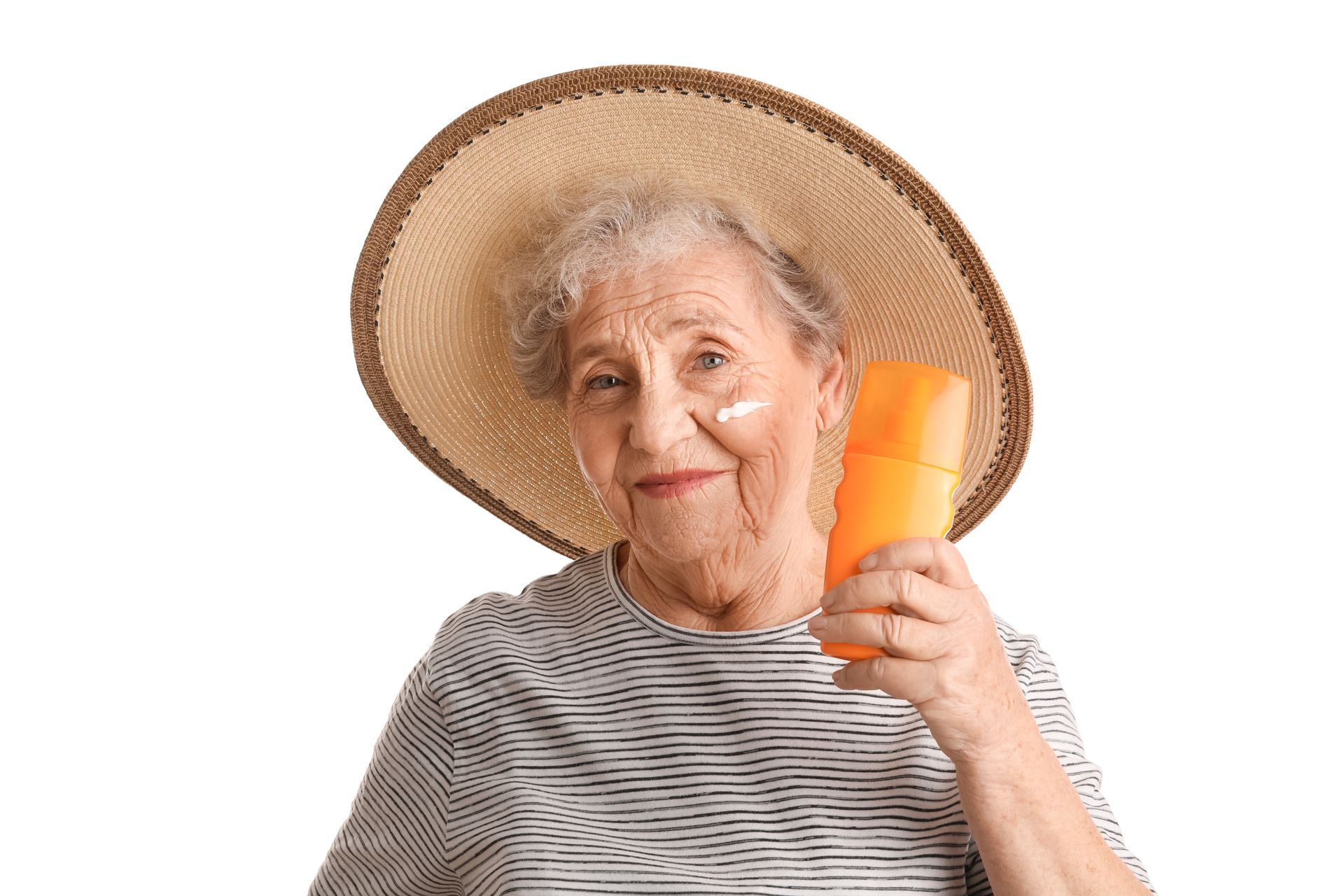
Supplements have become increasingly common as a way to support our health. Some supplements are relevant to skin health in particular. Recent research has looked into the effects of taking nicotinamide supplements to reduce the risk of developing new skin cancers, specifically non-melanoma skin cancers.
Nicotinamide, which is synonymous with niacinamide, is a B vitamin. More specifically, it is an inactive form of vitamin B3, also known as niacin. It is an important vitamin that supports our immune system. The way nicotinamide works to combat sun damage is through repair of DNA damage. It also has been shown to reduce inflammation and the process of excess skin pigmentation while also supporting the skin barrier.
Based on a review of recent studies, nicotinamide supplementation showed significant reduction in the rate of developing subsequent non-melanoma skin cancers (basal cell carcinoma or squamous cell carcinoma) in patients with a previous history of non-melanoma skin cancer compared to those who did not supplement with nicotinamide. This supplementation has also been studied in patients who have a history of melanoma skin cancer or certain skin conditions involving pre-cancerous spots (also known as actinic keratoses or AKs). The results are less conclusive for these conditions, as some studies have shown benefit while others have shown no difference in the development of melanoma or AKs.
Most studies have investigated the use of 500 mg of oral nicotinamide, taken twice a day for at least 12 months in patients with a previous history of a non-melanoma skin cancer. There have been no randomized trials showing nicotinamide supplementation leads to a reduction in non-melanoma skin cancer in average risk individuals.
In addition, a study conducted through the Veterans Health Administration looked into the effects of timing of initiation of nicotinamide. When nicotinamide was started after the patient’s first skin cancer, there was an increase in the rate of skin cancer-free survival compared to patients who started it after their second skin cancer or later.
Some studies have shown that nicotinamide can be associated with more side effects involving the digestive system, including diarrhea, compared to patients who were not on nicotinamide. Any time you are considering a new treatment, a discussion with your dermatology provider should be scheduled so that the best plan of action for you and your skin can be determined.
Sources:
Boo YC. Mechanistic Basis and Clinical Evidence for the Applications of Nicotinamide (Niacinamide) to Control Skin Aging and Pigmentation. Antioxidants. 2021; 10(8):1315. doi:10.3390/antiox10081315.
Breglio KF, Knox KM, Hwang J, et al. Nicotinamide for Skin Cancer Chemoprevention. JAMA dermatology. 2025;161(11):1140-1147. doi:10.1001/jamadermatol.2025.3238.
Mainville L, Smilga AS, Fortin PR. Effect of Nicotinamide in Skin Cancer and Actinic Keratoses Chemoprophylaxis, and Adverse Effects Related to Nicotinamide: A Systematic Review and Meta-Analysis. J Cutan Med Surg. 2022;26(3):297-308. doi:10.1177/12034754221078201.