Your Skin Is an Athlete, Too

Sophia Kermet
MS2 | she/her/hers
Florida State University, College of Medicine
Your Skin Is an Athlete, Too
It’s 10-10, the pickleball game is coming down to a flip of a coin. It’s a hot summer day, and you’ve been sweating all day, but you refuse to slow down or quit. You can feel the start of a sunburn on the back of your neck, making you realize you forgot to put on sunscreen to begin with. You know you’re going to be applying aloe vera for a couple days to make up for it.
We’ve all been there.
Whether you're chasing a personal record for your next marathon, playing a pickleball match against your friends, or heading to the golf course for an 18-hole game, staying active is part of your health. You’re giving it your all, but your skin is giving its all, too.
For athletes, sun exposure, sweat, friction, sports equipment, and minor injuries can all take a toll on the skin. The good news? A few simple habits can help keep your skin healthy while you stay in the game.
Why Should Athletes Take Care of Their Skin Like They Take Care of Their Equipment?
The same way your paddle is the key to your game, your skin is your body's key to defense against all potential harmful environmental factors. When we exercise, it helps regulate our internal body temperature, protects against UV/pollutants in the air, and heals small cuts/bruises.
Different sports create different skin challenges.
1. Sun Damage Adds Up Like Your Miles Add up
Whether you’re training for your next race or enjoying a quick walk around your neighborhood, outdoor workouts lead to accumulation of UV exposure. Here are some quick and easy tips to follow before your next outdoor activity:
Before Exercising:
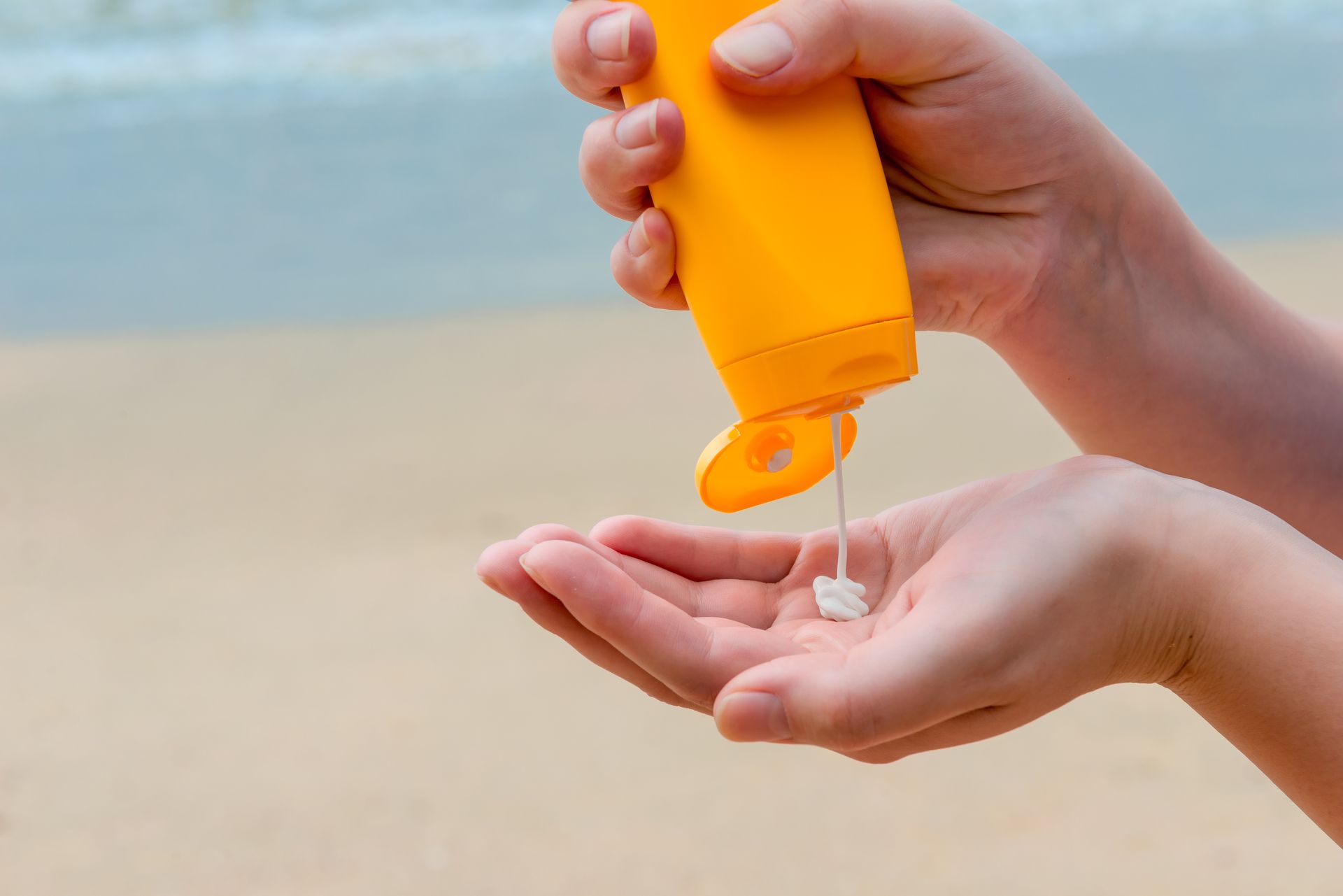
- Apply a broad-spectrum, water-resistant SPF 30+ sunscreen 15 to 30 minutes before heading outside. (1)
- Don't forget ears, neck, lips, and scalp (commonly missed areas).
- Look for shade, when possible, and try to plan some running routes through shaded areas.
- For extra protection, consider wearing hats, sunglasses, and lightweight long-sleeved sun-protective clothing.
- Try to avoid peak midday hours when your training allows it. Peak sun hours are generally 10 a.m. to 4 p.m, when UV radiation, particularly the more carcinogenic UVB, is most intense.
2. Sweat, Friction and Equipment
We’ve all loved picking up a new hobby on the weekends or throwing ourselves into an intense training schedule, but don’t let your skin play defense along the way!
“Sports-induced acne,” can be triggered by the combination of heat, sweat, pressure, and occlusion of hair follicle sites with repetitive friction over these areas. This can contribute to growth of acne and irritation, especially on the back, chest, and areas covered by athletic clothing. (3)
During exercise:
- Wearing clothes which are breathable and moisture-wicking can reduce the pooling of any sweat.
- Start with clean and dry equipment, and try to avoid sharing any personal items like towels.
- Keep sunscreen in your sports bag and try to reapply every 2 hours during long workouts or heavy sweating (1).
- Stay Hydrated!
Sweating is one of the many amazing ways our body keeps us cool during exercise! Problems can occur when sweat, oil, and bacteria sit on the skin for a prolonged amount of time. Here are some tips for when you step off the court:
After exercising:
- Change out of sweaty clothing as soon as you can.
- Shower or rinse off with a gentle cleanser, rather than scrubbing aggressively.
- Regularly wash hats, headbands, and workout clothes.
- If your skin becomes dry or irritated, use a gentle moisturizer.
3. Protect Your Skin from Injury
Common trouble spots include:
- Feet from improperly sized running shoes
- Inner thighs from the constant friction of running or cycling
- Shoulders from carrying equipment
- Hands and palms from racquets, paddles, or weights
- Skin underneath tight athletic clothing
It’s important to pick well-fitted equipment for YOUR body so you can always play at the top of your game!
4. You wouldn’t ignore a sprained ankle, don’t ignore your skin injuries.
Scrapes, blisters, turf burns, and small cuts are unavoidable parts of being active, but when you notice them, take care of them:
- Clean out minor wounds with soap and water.
- Keep clean wounds covered if they may rub against equipment or clothing.
- Avoid picking at scabs.
- Give your skin barrier time to heal, try to avoid any products or activities that may irritate the area, this may cause inflammation that delays healing!
Watch for any wounds that don’t heal, continue to bleed, become painful, or show any signs of infection (pus, color change, smell, etc.). If you notice any of this, it deserves medical attention!
Your Athlete Skin-Care Checklist
Your Athlete Skin-Care Checklist
My Skin Has Been Part of My Training, Too
I’ve played tennis for most of my life, since I was 5 years old, including playing professional tours, playing college tennis, and coaching. Even now as a medical student, I’m an avid pickleball player and am training for my first 10k race. Being active has always been a big part of my life, and it’s made me realize just how easy it is to overlook your skin when you're so focused on the next point, mile, or match. I’ve learned it’s not about being perfect or giving up being active, it’s about trying your best! Do your best to apply and reapply your sunscreen, wear protective clothing, and seek shade whenever possible. But most important of all, don’t forget to have fun!